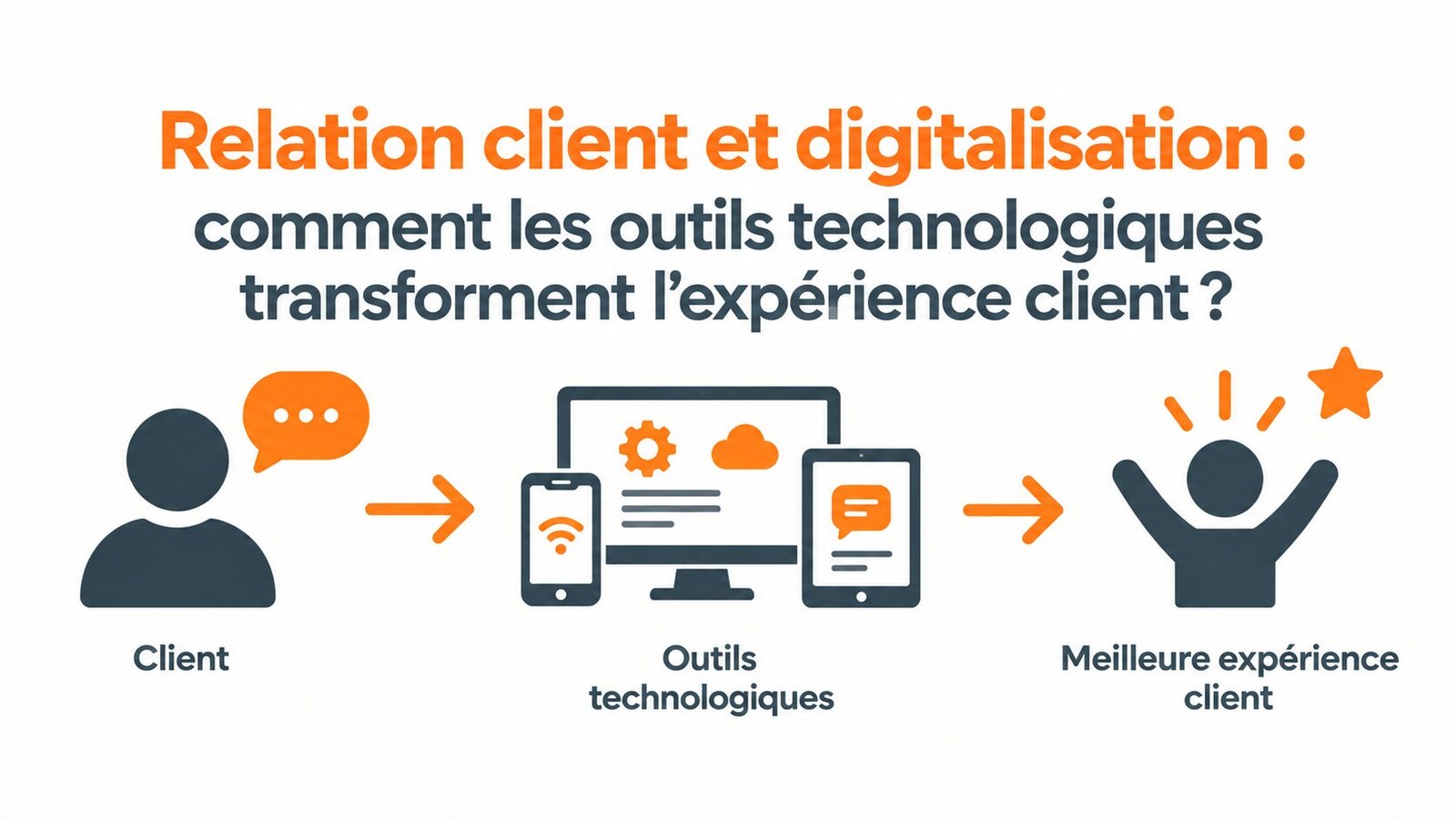
In the automotive sector, digital technology does not replace customer relationships: it changes where they begin and how they unfold. Customers do much of their research online, often prefer to write rather than call, and expect to be informed while their vehicle is in the workshop.
When used correctly, technological tools make the experience simpler, faster and more transparent. When poorly deployed, they create friction: unanswered forms, automated texts with no follow-up, information lost between two systems. Here are the tools that matter at dealerships, what they change for the customer, and how to verify that they deliver on their promises.
What customers expect from digital
In Canada, the Car Shopper Perceptions & Intentions study, conducted by DIG Insights for AutoTrader in February 2025 (n = 303), shows that 88% of people shopping for a new vehicle want to do at least part of the process online. Among respondents interested in these digital processes:
- 96% want to be able to search for and compare vehicles online;
- 91% want to check vehicle availability online;
- 83% want to get a trade-in appraisal;
- 82% want to obtain financing.
The same study indicates that 60% of respondents would like to complete the entire process online. In practice, most customers combine the Web and the dealership. The challenge is therefore not to choose between digital and human interaction, but to ensure continuity between the two.
Tools that transform customer relationships
1. Website and online inventory
This is often the first contact, even before the customer makes themselves known. Complete vehicle listings, real photos, up-to-date inventory, and clear pricing answer initial questions effortlessly. In Quebec, the "all-inclusive pricing" rule also applies to prices advertised online.
The pitfall: a vehicle listed that is no longer available. The customer discovers this when they write or visit, and their trust takes a hit.
2. Web inquiries, chat and text messaging
The customer wants to be able to write at a time that suits them. In the United States, the Pied Piper 2025 study on web inquiry responses (Internet Lead Effectiveness) indicates that dealerships responded through multiple channels (email, phone, text) in 49% of cases, compared to 44% the previous year.
The pitfall: an automated response that makes the customer feel heard, without anyone following up. The tool speeds up the response, but it does not replace a personalized answer.
3. Online appointment booking for service
It eliminates waiting on the phone and lets the customer choose their time slot. This is one of the tools that most directly reduces customer effort.
The pitfall: available time slots that don't match the workshop's actual capacity, or an online request that must then be confirmed by phone.
4. Communication during service work
A text to announce a delay, a video or inspection photo showing a worn part, online approval for additional work: these tools make visible what the customer cannot see. A moment of uncertainty becomes a moment of trust.
The pitfall: messages that are too technical, or a video sent without a clear estimate of cost and timeline.
5. Vehicle delivery and payment
A text notification when the vehicle is ready, a pre-prepared invoice, and online payment reduce waiting at the counter, which is often one of the most frustrating moments of the visit.
6. The unified customer file
This is the least visible tool for the customer, but often the most important. When each employee sees the customer's history (web inquiries, purchases, services, comments), the customer doesn't have to repeat what they've already said. Without this connection, the other tools remain isolated from each other.
7. Surveys and review monitoring
A short survey sent by text or email after a visit allows you to measure satisfaction (CSAT), effort (CES), or likelihood to recommend (NPS) while the memory is still fresh. Combined with online review monitoring, it indicates whether the other tools are really improving the experience.
What technology cannot replace
Digital technology prepares human moments but does not replace them. In the United States, the J.D. Power 2025 study on sales satisfaction (Sales Satisfaction Index, November 2025) ranks vehicle delivery as the top factor in satisfaction. The same study shows that 22% of buyers would like to receive follow-up explanations on vehicle features and controls after delivery. Yet 53% of them never receive any. Among possible formats, the study mentions online videos and tutorials.
This is a good example of a well-placed digital tool: the video does not replace the salesperson's explanation at delivery, it extends it.
Risks to manage
A poorly integrated tool can create more friction than it removes. A few points to watch:
- Automation without follow-up: each automated message must lead to a person capable of responding.
- Multiplying solicitations: confirmations, reminders, surveys, offers… Coordinate messages to avoid overwhelming the customer.
- Consent: commercial electronic messages are governed by Canada's Anti-spam Legislation (CASL). Verify consent obtained before sending follow-up communications or promotional messages.
- Personal information: in Quebec, Bill 25 governs the collection and use of personal information. Know what data each tool collects, where it is stored, and who has access to it.
- Customers less comfortable with digital: always keep a simple option by phone or in person.
How to deploy a tool without harming the experience
1. Start with a real pain point. Choose the tool based on a problem your customers mention (waiting on the phone, lack of updates during service work), not because it's trendy.
2. Define who follows up. For each tool, assign the person or team who responds, with a target response time.
3. Train your teams. A tool that advisors don't use, or use poorly, sends the wrong signal to the customer.
4. Measure before and after. Measure effort and satisfaction at the relevant stage before deployment, then track their evolution over a few months.
Fictional example, for illustration: a dealership in the Estrie region starts sending inspection videos by text from the workshop. In the first month, several customers write that they didn't understand the message, which didn't specify either cost or urgency. The team adds a written estimate and an approval link to each video. In subsequent months, it tracks the workshop's CSAT and the share of comments mentioning "invoice surprises."
Metrics to track
- CES after each digital step (web inquiry, online appointment booking, work approval);
- time to first personalized response to web inquiries;
- percentage of appointments booked online;
- workshop CSAT and comment themes related to communication;
- survey response rate, to verify that customers are not being over-solicited.
How Monexpe can help you
Deploying a tool only makes sense if you verify that it improves the experience. Monexpe is a customer experience measurement and management platform. It enables you to:
- collect feedback;
- measure satisfaction with NPS, CSAT, and CES;
- track results over time;
- better manage your online reputation.
For a dealership going digital, this makes it possible to measure effort after each digital step, identify comments that signal a misunderstood tool, and verify month after month whether changes are improving customer perception.
In summary
In the automotive sector, digitalization is transforming customer relationships at every stage: research, contact, appointment, communication during service, vehicle delivery, and follow-up. Tools that succeed are those that reduce customer effort, ensure continuity with your teams, and respect their data. Choose them based on your customers' real pain points, assign clear ownership of follow-up, and measure their impact before moving to the next tool.
Want to know if your digital tools are really improving your customers' experience? Discover Monexpe or request a demo.